Headshot photography frames tighter than most portrait work, so your outfit has about ten inches of visible fabric to do its job. Five rules cover most people:
- Solid over patterned. Pattern competes for attention, and the point is keeping attention on your face.
- Mid tones over extremes. Mid blues, greys, and greens hold shape against both bright and dark backdrops.
- Fitted, not tight, not loose. Loose fabric has nowhere to go on a flat image and reads as bulk.
- Matte over shiny. Satin, sequins, and slick synthetics throw hotspots that retouching never fixes cleanly.
- Bring options. Three to five pieces beat one plan that turns out wrong under the lights.
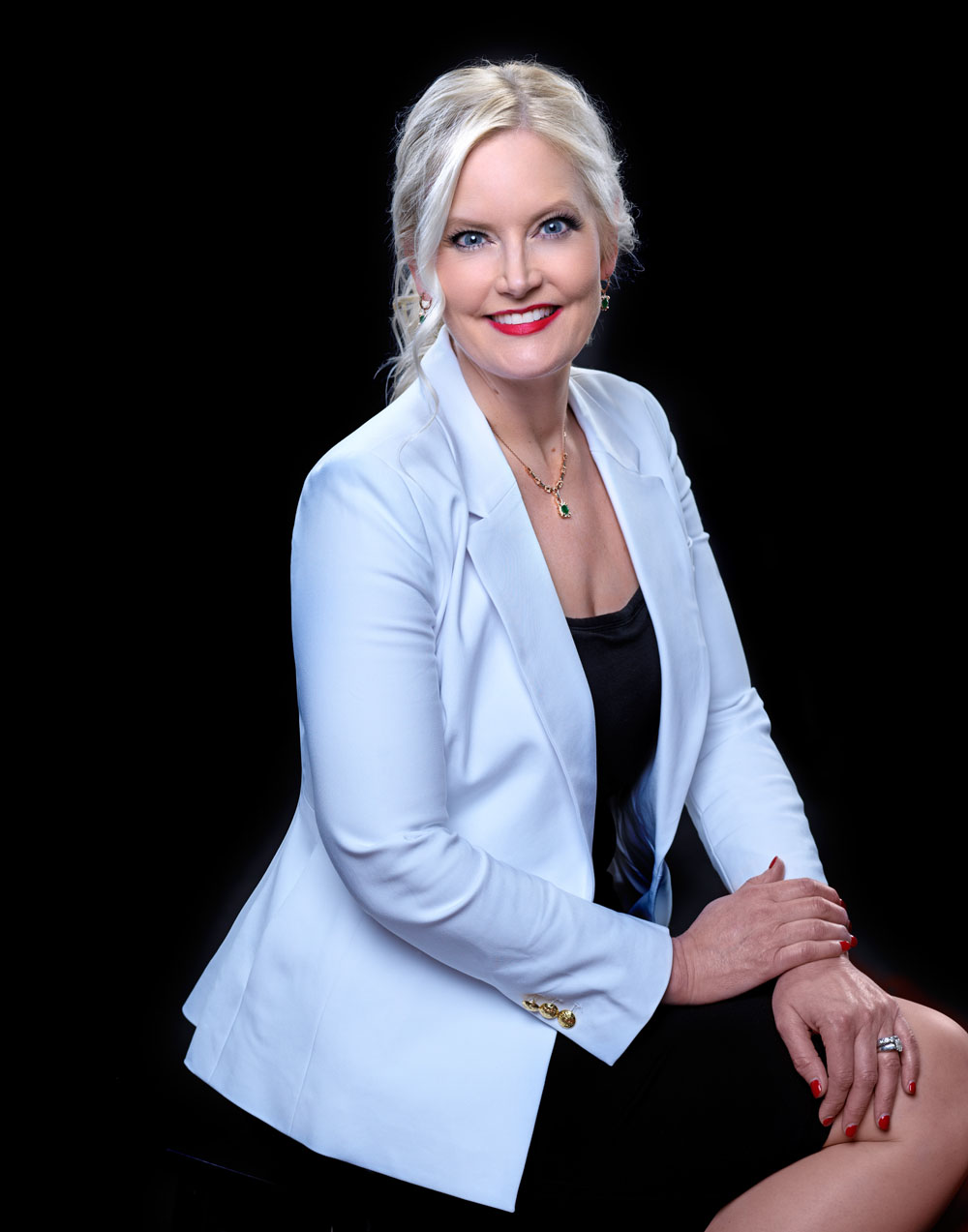
Mid tone solid colors photograph best because they keep edge detail against the grey, white, and near black backdrops most studios use. Pure white and pure black cause the most trouble.
A crisp white shirt on a white background flattens out: your shoulders lose their edge and you drift toward floating-head territory. A black jacket on a dark backdrop does the same in reverse. Neither is banned, but both need separation light, so ask what background color you’ll be shot on.
Colors that work best: navy, charcoal, slate blue, light blue, forest and emerald green, burgundy, warm grey, soft camel. Navy is always a safe bet for corporate headshots, and it stays timeless as styles turn over. Want your eyes to read stronger? Wear something close to your eye color.
Skin tone matters more than most guides admit, since the fabric sits inches from your skin and hair. Warm complexions hold up in earth tones, rust, and olive. Cool complexions look great in jewel tones, true blue, and plum. The color that quietly fails on everyone is a beige within a shade of your own complexion, because it reads as bare skin at thumbnail size on LinkedIn.
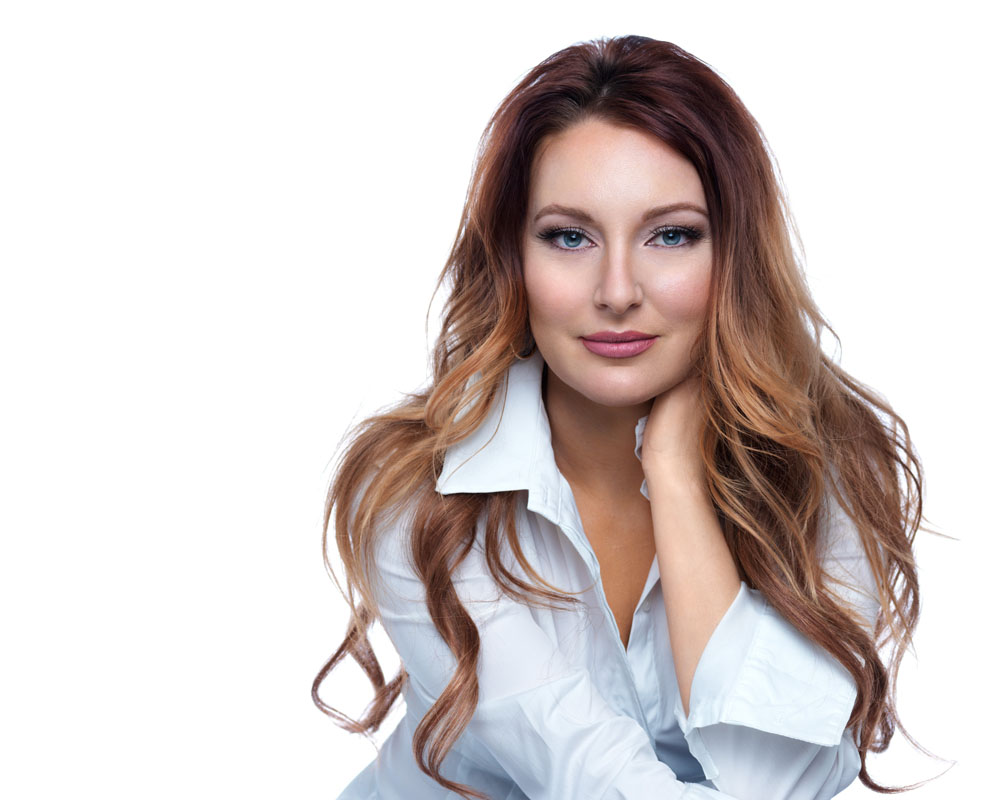

Fine repeating patterns collide with the camera’s sensor grid and produce moire, the rippling, rainbow-tinted interference you see on a TV screen when a news anchor wears a pinstripe suit. Pinstripes, houndstooth, small checks, tight herringbone, and fine ribbed knits are the usual offenders.
It isn’t a lighting mistake. Moire shifts as you move, so it can wreck three frames of a sitting and leave the rest clean, and fixing it means rebuilding the fabric.
Large, low contrast patterns are safer. A wide plaid won’t moire, though it still pulls the eye, and big blocks of pattern across the chest make you look wider in a flat frame. Texture is the better move: a ribbed knit adds visual interest without the risk.
One thing we tell every client before a session is to hold the garment at arm’s length, then back up six feet. If the pattern blurs into a haze from across the room, the camera will fight it.
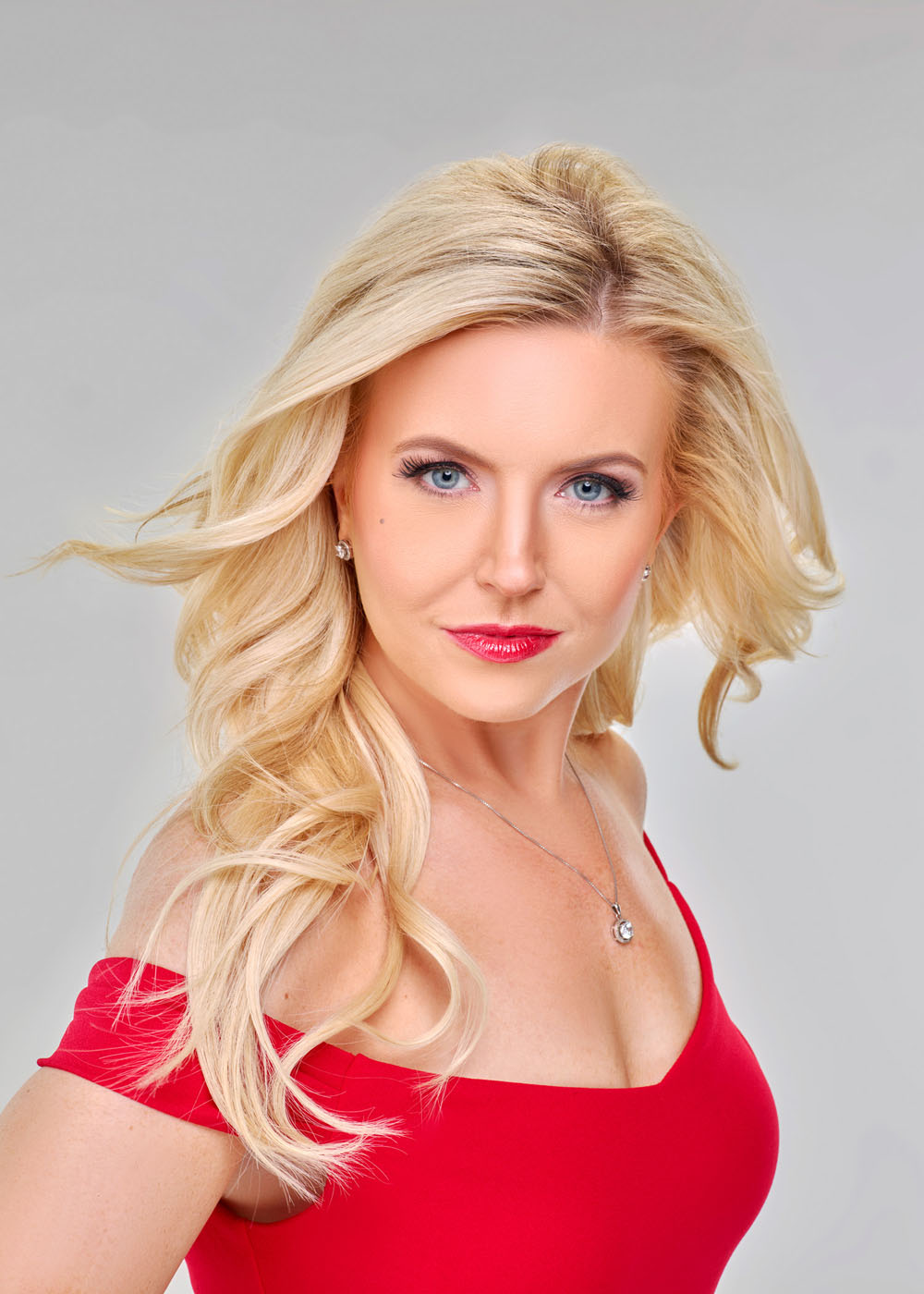
Fitted clothing photographs leaner than loose clothing. A camera flattens depth, so surplus fabric reads as body width instead. Too tight brings its own problem: stretch lines across a button placket or a shoulder seam are stubborn to retouch. Aim for a slim fit you can breathe in, with seams landing on the corner of your shoulder rather than below it.
Fabric weight does quiet work. Medium weight cotton, ponte, and wool blends hold their shape through a sitting. Linen and thin jersey wrinkle within minutes of you sitting down, and light knits cling. Bring the piece on a hanger instead of wearing it in the car.
Sleeve length is the detail people skip. Plenty of headshot poses involve crossed arms or a hand near the chin, and a sleeveless top there puts a wide area of bare arm right beside your jaw, which pulls attention away from your face. Three quarter or long sleeves keep the frame calm. If sleeveless is your look, bring a blazer as a second option and shoot both.
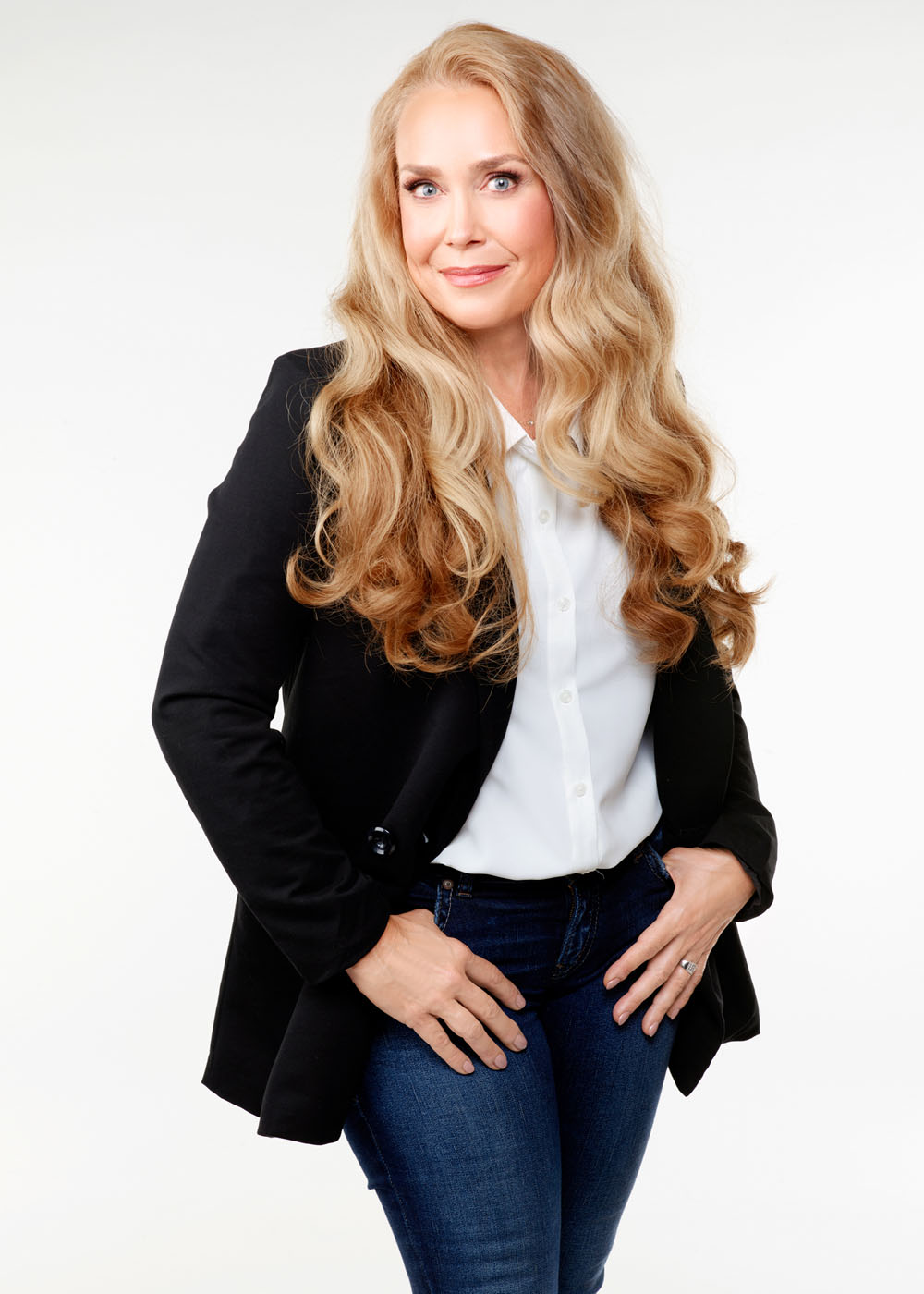
Most headshots are cropped from mid chest up, so the opening at your throat is the most visible design element in the picture. That’s a lot of weight for a few inches of fabric.
Necklines work by proportion, not by rule. Short neck? A deeper V or a scoop opens vertical space and lets the neck read longer. Long neck? A crew, boat, or turtleneck fills that space and pushes the eye toward your shoulders. A V also flatters rounder and wider faces by adding a vertical line. A square opening or a structured collar keeps things contained if you’d rather the eye stay high.
A soft collar collapses under a jacket and looks sloppy at small sizes, so a button down with some body to it photographs cleaner. Men who want a tie should wear a tie they’d actually wear to work. A suit or jacket without a tie now reads as ordinary business casual.

If you wear glasses every day, wear them. A picture without them doesn’t look like you. Glare is the only real obstacle, and there are three fixes.
- Anti-reflective coating. AR coated lenses cut most of the reflection at the source, worth asking your optician about if you’re due for new lenses.
- Borrow empty frames. Many optical shops will lend the same frame with no lenses in it for a photo session. It costs nothing.
- Tilt the temples. Pushing the arms slightly up behind your ears angles the lenses down and drops the reflection out of frame.
Jewelry should stay small and non-reflective. Dainty pieces read as polish. A large pendant or chandelier earrings compete with your face and date the image fast.
Book a haircut about a week out so it settles, not the day before. If you’re adding professional hair and makeup, ask for matte finishes over dewy ones, since shine on the forehead and nose is the most common thing retouchers clean up.
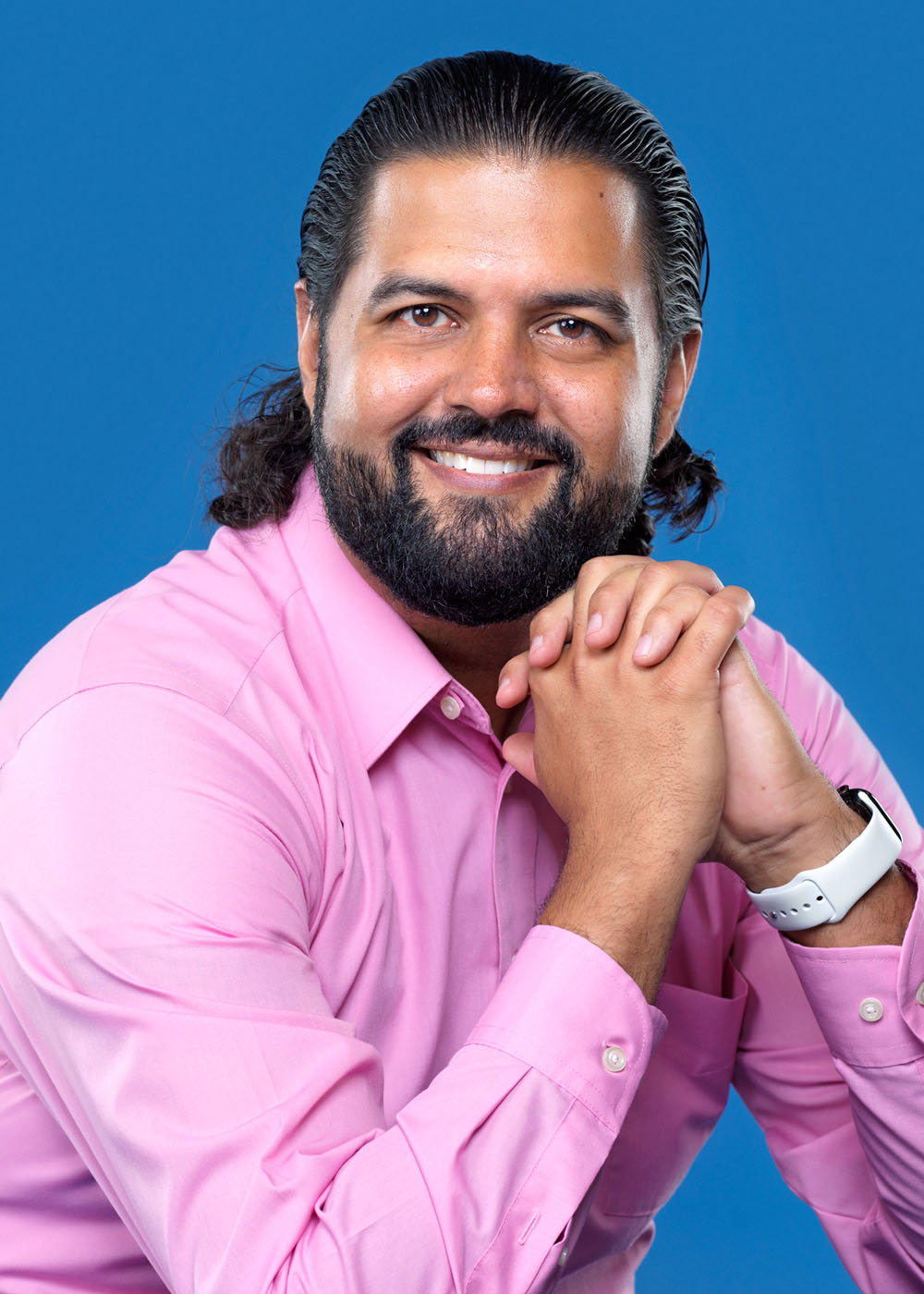
Headshot attire should match the room you actually work in. A lawyer and a yoga teacher shouldn’t dress the same, and dressing two levels above your field reads as costume instead of credibility. Career guides such as Indeed land on the same point.
| Field | Works well | Skip |
|---|---|---|
| Law, finance, insurance | Charcoal or black suit, white or light blue shirt | Bold color blocking, visible undershirt |
| Real estate | Blazer over a solid top, one signature color | Logo wear, heavy pattern |
| Tech and startups | Quality knit, crew or henley, unstructured jacket | Full suit, stiff formality |
| Healthcare | Clean scrubs or a simple solid top, coat if warranted | Busy prints, dangling jewelry |
| Creative and marketing | Texture, one strong color, interesting silhouette | Generic corporate uniform |
| Fitness, yoga, wellness | Fitted athletic top in a solid tone, natural fabrics | Logos, technical fabric with sheen |
| Trades and contracting | Branded work shirt, clean and pressed | Faded tees, hi-vis that blows out |
| Academia and nonprofit | Soft jacket, warm neutral tones, layers | Severe black on black |
Sitting between two rows? Dress one step above your daily norm and stop. That’s the version of you a client would still recognize on a Tuesday.


Bring three to five options to a headshot session, not one. Choosing the right outfit in advance sounds efficient, and it usually isn’t, because fabric behaves differently under studio light than in your bedroom mirror. The piece people arrive most confident about is often not the one they pick from the proofs. A workable set:
- One formal piece: jacket or structured top, the version of you that goes to a board meeting.
- One mid piece: the solid top you’d wear on a normal workday, no jacket.
- One relaxed piece: a knit in a softer color, the look that feels approachable on a website bio.
- One color risk: brighter or more textured than you’d normally reach for.
- One swap layer: a second jacket or a scarf that changes the read without a full change.
LinkedIn, a company directory, a speaker page, and a press kit rarely want the same picture, and shooting them in one photoshoot keeps your personal brand consistent.
Pack a lint roller, wrinkle release spray, hangers, and your touch-up kit. Our Northeast Minneapolis studio has a wardrobe area and a makeup room, so you can change and check a mirror before you’re back in front of the camera. Our breakdown of what a corporate headshot costs covers budget separately.