The five main types of family photos are photojournalistic, editorial, fine art, studio, and on location. Each comes from a different tradition and turns the same group of people into a very different picture. Pick the style first, then find the artist who works that way. Photographers, like doctors, come from different backgrounds and training.
The 5 Types of Family Photos at a Glance
Setting and direction are what separate the five styles.
| Style | Where it happens | Direction given | Best use case |
|---|---|---|---|
| Photojournalistic | Your home, an ordinary day | None at all | An honest record of life with young kids |
| Editorial | A chosen set or location | Heavy, art directed | Images meant to illustrate a story |
| Fine art | Studio or a built set | Total, artist led | One statement piece, printed large |
| Studio | Controlled room with lights | Precise posing | Holiday cards, three generations, wall art |
| On location | Home, park, farm, workplace | Light to moderate | Pictures tied to a place that matters |
One thing I tell people before they book: decide where the print will hang before you pick a style. A 30 inch wall portrait and an image that lives on a phone screen do not need the same session, lighting, or budget.
Photojournalistic: Candid Pictures With No Direction
Photojournalistic photography is the art of telling a story with a frame that captures a moment exactly as it happens. It comes out of news work, so nothing is staged and the shooter finds a composition in seconds.
Someone working this way arrives at your house and follows you around. No direction. No script. They document the good, the bad, and the ugly, so a squabble at breakfast gets shot too. No posing, no set, no added light, nobody asking anyone to smile. You get truth instead of polish, and only a handful of frames hold up printed large.
I don’t think anyone offers documentary family photography around here, though there are photojournalistic wedding shooters. Call a few and ask about a day rate for a home session.
Editorial: Images Built Around a Message
Editorial photography is the practice of creating images to accompany written stories in magazines and newspapers. Every choice, the light, the wardrobe, the setting, pushes one viewpoint. These shooters work with art directors and stylists so the pictures match a publication’s style, which makes this type of photography the priciest of the five. You pay for a small production, not a photo session.
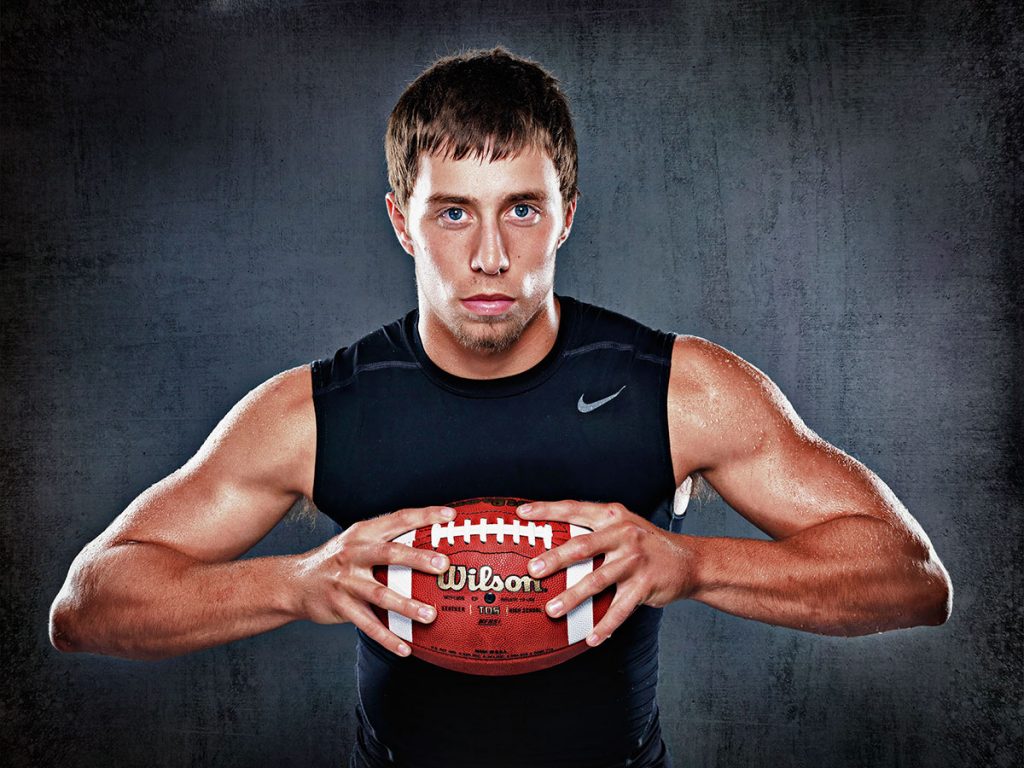
I am not an editorial shooter, but this portrait of a high school senior can be read as strength, hard work, or dedication. Run it beside a magazine article and it becomes an editorial image.
Fine Art: The Artist’s Vision, Printed Large
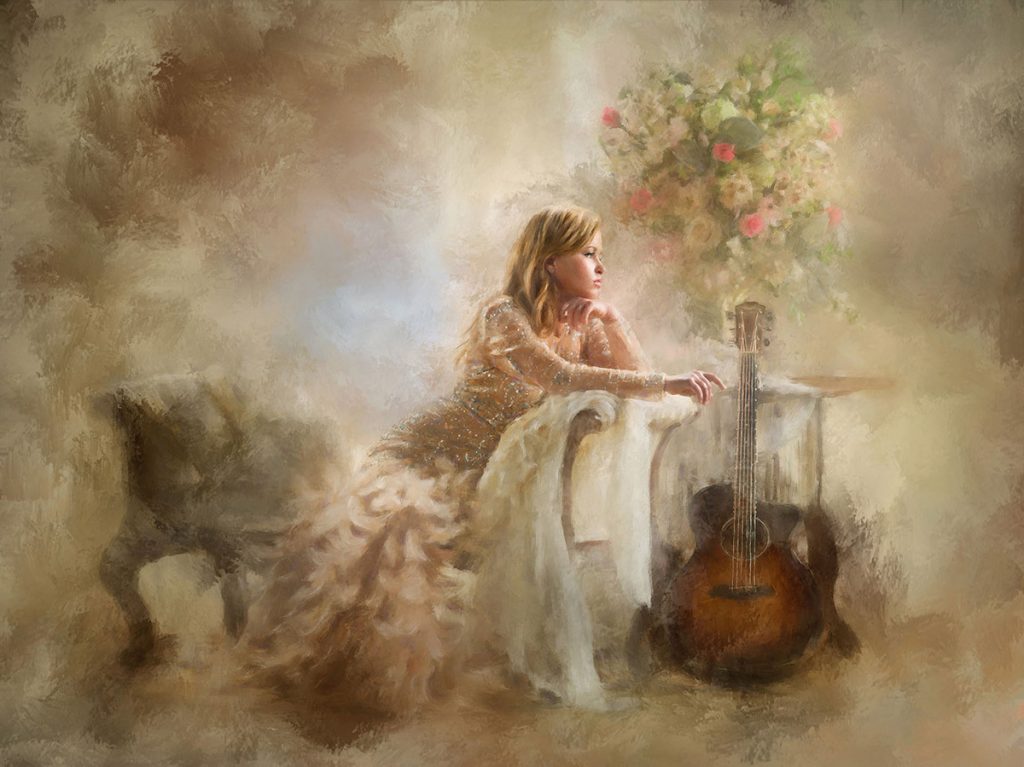
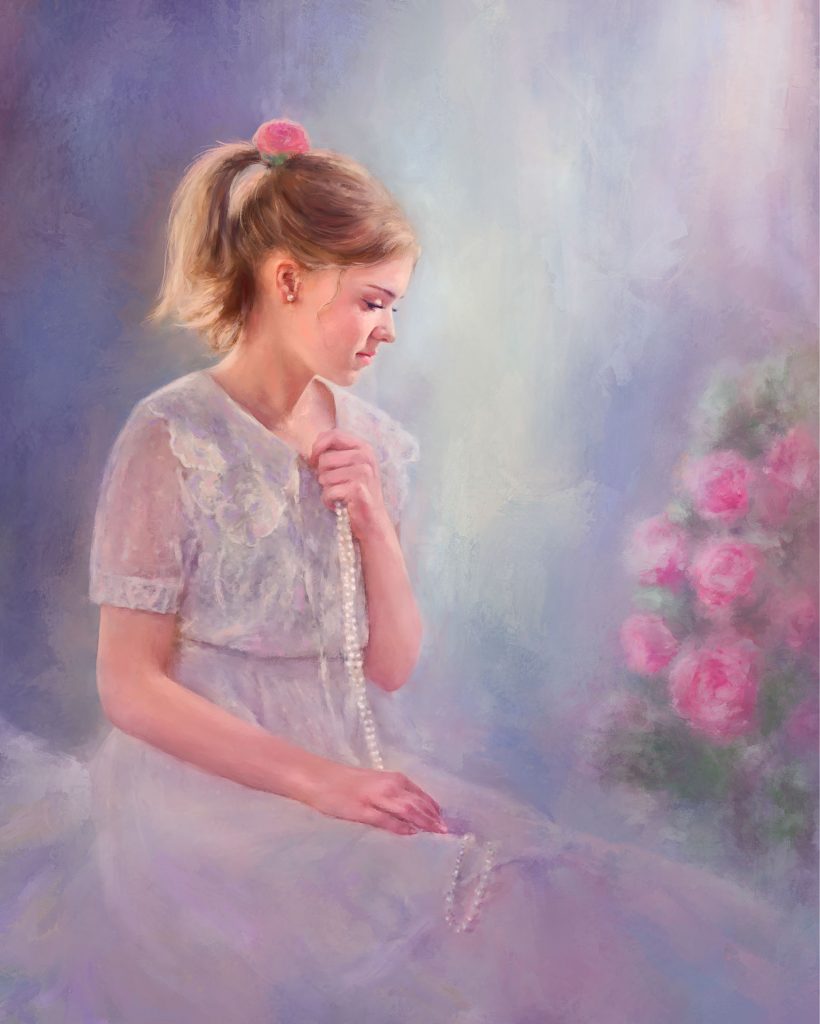
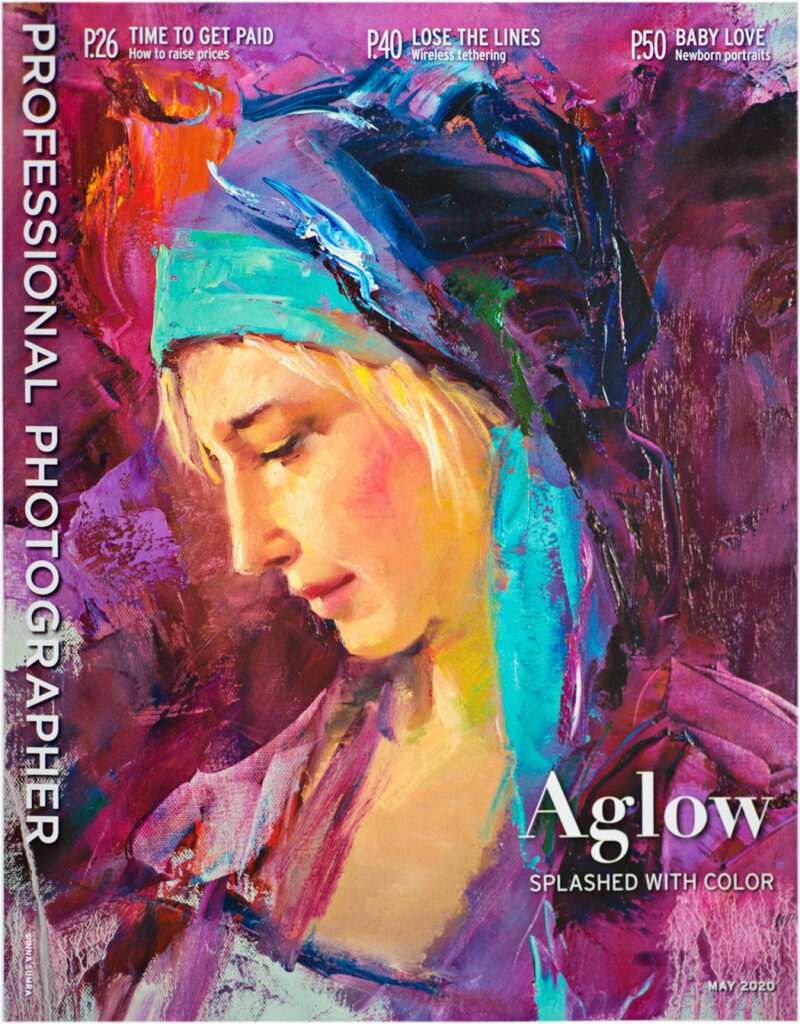
Fine art photography is built around the photographer’s own vision rather than a client brief, and it usually carries an abstract message. Some of us paint directly onto the print afterward, which makes parts of an image feel dreamy while the rest stays sharp. Slow work, priced accordingly. Below is a fine art portrait of a Minnesota high school student.
Here is another, made for a senior in Cavalier, ND.
And this is a portrait of myself. It was published on the cover of Professional Photographers of America Magazine in 2022.
Studio Portraits: Full Control of Light and Backdrop
Studio portrait photography means working in a controlled room with lights, modifiers, and a chosen background instead of whatever the sky is doing. Outdoors you take the light you are handed. On a bright day you add flash, because hard highlights and black shadows look terrible on faces, and a parking lot behind the group can only be fixed by walking elsewhere.
Indoors none of that applies. Any hour works. Lights get set to the inch, the backdrop color changes in a minute, and if somebody blinked you fire again. Our Northeast Minneapolis studio has 16 foot ceilings and two shooting rooms, and the ceiling height matters more than it sounds: it lets the main light go up and back far enough to cover eight people evenly instead of three.
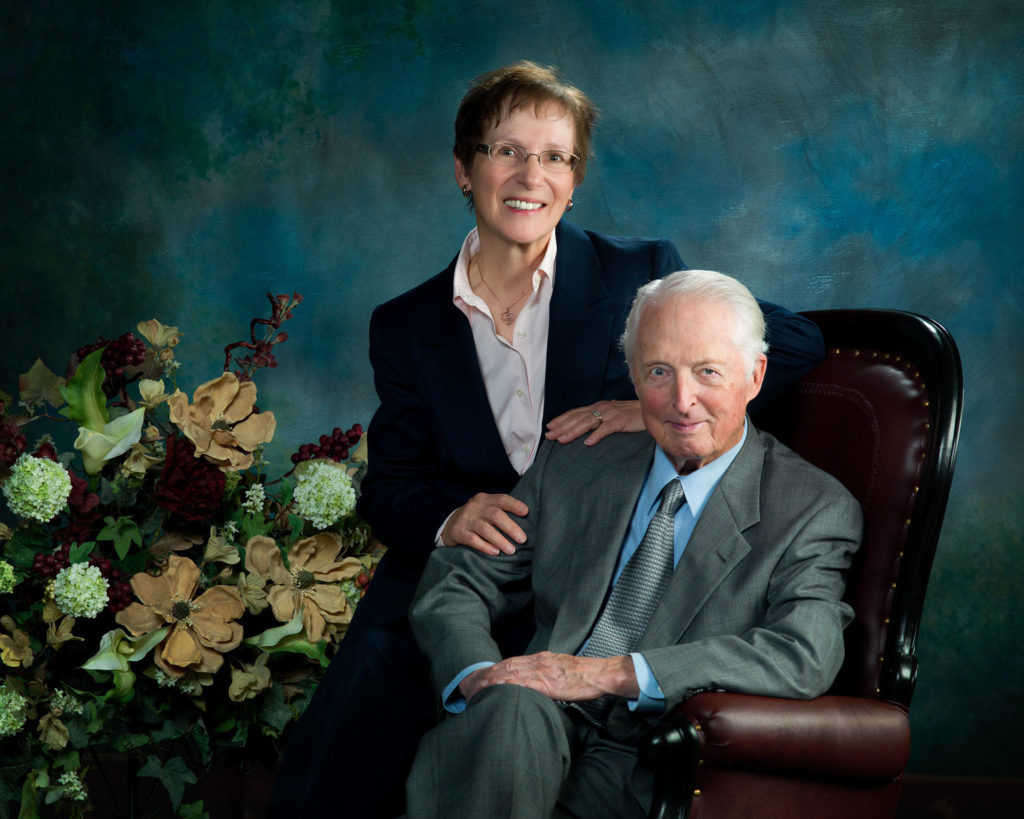
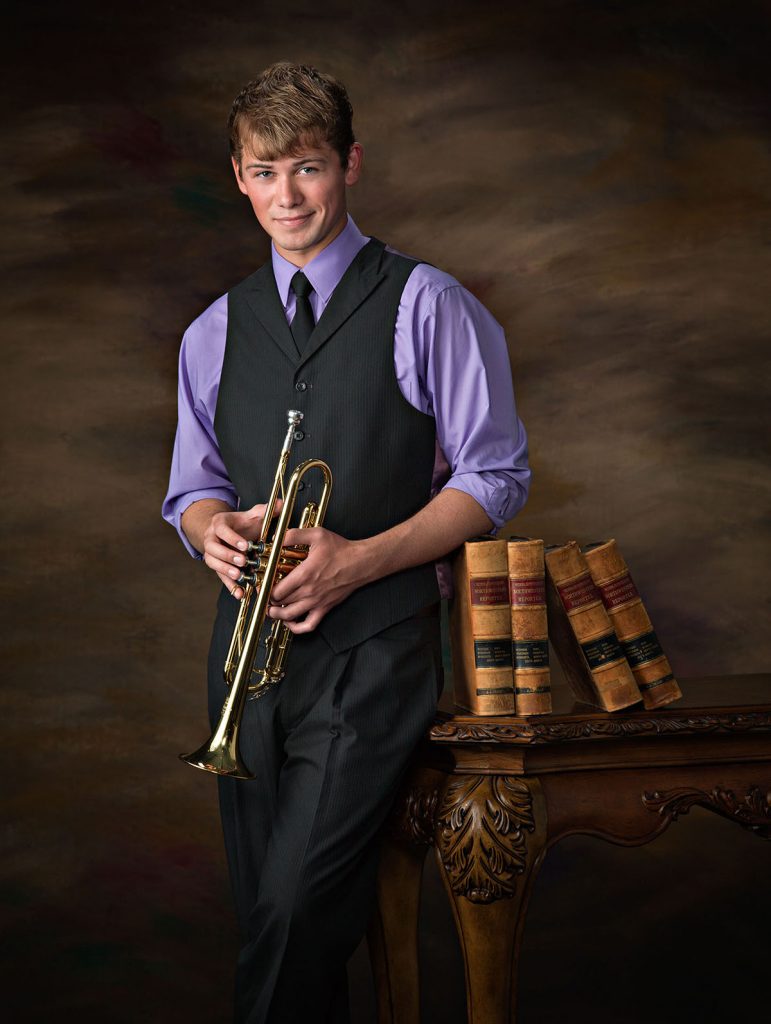
I created that one for a family in Cavalier city. Here is another made the same way, for a high school senior.
On Location: Shooting Where Your Story Happened
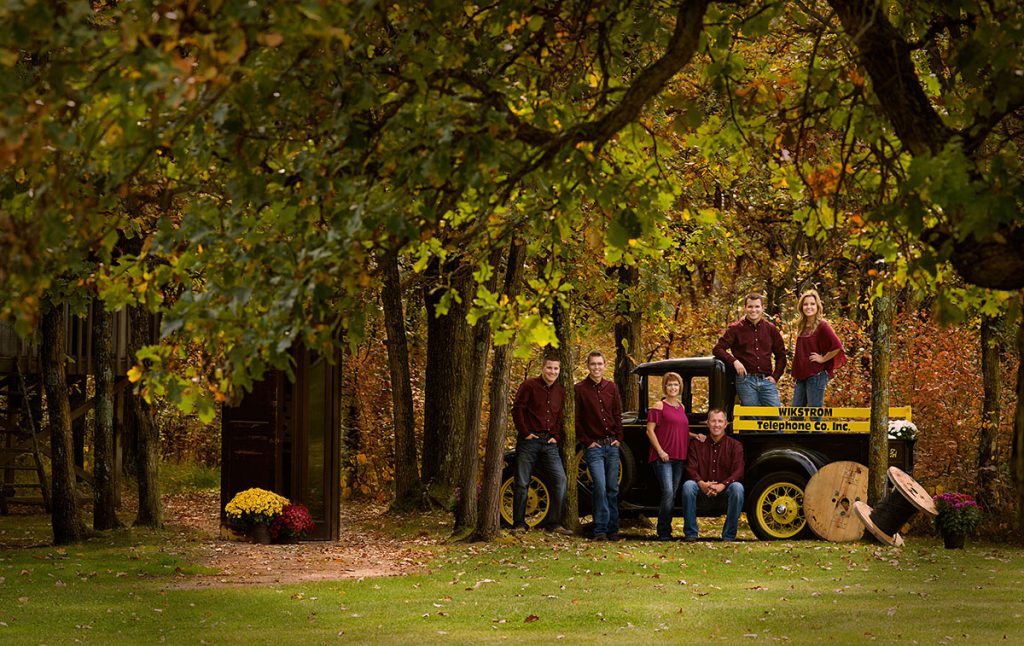
Location work happens anywhere outside a studio: homes, parks, farmyards, a shop somebody built from nothing. Often the place itself carries more sentimental weight than any pose could. It is harder than it looks, and light is the worst of it. In the picture below the group stands under trees and is still lit properly, which took a generator and gear hauled out to Karlstad, MN.
Posed or Candid? Matching the Style to Your People
Posed work gives you a picture everyone looks good in. Candid work captures the one you cry over in twenty years. Most sessions hold both, and the split depends on who is in the frame.
- Toddlers. Lean candid. Kids under five hold a pose about as long as it takes to say the word. Our children’s portrait sessions run that way by default.
- Three generations. Lean posed and indoors. Grandparents get seated, everyone builds around them, nobody stands for forty minutes.
- Extended family of ten or more. Everyone sits or stands about the same distance from the camera. Stagger people front to back and someone in the second row goes soft.
- A newborn. Newborn photography works best in the first couple of weeks, while they still curl up and sleep through anything.
- Siblings only, parents only. Ask for both. Ten extra minutes at the end of a family session gets you two more images you will print.
Five setups cover almost everything: seated grandparents with the rest behind, a child swinging between two parents, the tight huddle, the stacked triangle, and everyone piled on the couch. A good photoshoot uses several.
How to Choose the Right Photographer for Your Style
Look through a full gallery, not a highlight reel. Anyone can show six good frames, so ask to see a whole session in the style you want and how often they shoot it. I have written about picking a high school senior photographer, and every suggestion there applies here.
Once you are seriously considering someone, take your children to the consultation. A good professional will want to meet them and may sit on the floor and play. That is trust being built, not small talk. When families come in for a complimentary consultation I always ask them to bring the kids, and by the time we shoot they are on my side.
Inna holds four masters’ degrees in photography and is a trained photography judge with over 20 years as a full time photographer. Her work has appeared on the cover of PPA Magazine (Professional Photographers of America). She has been a keynote speaker in Louisiana, has taught at Minnesota photography conventions, and has won dozens of national and international awards. You can see her awards and recognitions by clicking here.
Ready to book? Decide which of these types of family photos matches the picture you want on your wall, then look at our family portraiture sessions or read about working with a Minneapolis family photographer. If you already know you want a studio portrait, contact Inna and bring the kids.
*Images shown on this page are Copyright protected and should not be copied.
You are welcome to link to this page or share the page.